
Mini barndominiums—the compact counterparts of traditional barndominiums—are steadily gaining popularity in the housing market, thanks to their efficient design and affordability. These stylish structures blend the rustic charm of barns with modern living, making them an appealing choice for a wide variety of homebuyers. They especially resonate with first-time buyers, young couples, and those seeking cozy vacation retreats. Exploring the potential of mini barndominiums reveals how these innovative spaces meet the demands of contemporary life while offering both customization and functionality.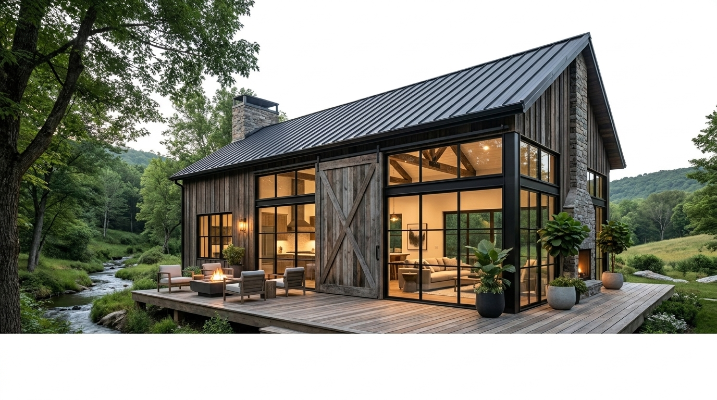
What Are Mini Barndominiums?
Mini barndominiums—often referred to as “mini barns”—are compact living spaces that marry rustic charm with modern amenities. Typically under 1,000 square feet, these structures provide a practical alternative to larger traditional barndominiums, which generally range from 1,500 to over 3,000 square feet.
The differences between traditional and mini barndominiums extend beyond mere size. While traditional versions often cater to larger families and diverse functional needs, mini barndominiums are ideal for individuals or couples who prioritize practicality without sacrificing aesthetic appeal.
Common uses for these structures include guest houses, starter homes for young families, and vacation retreats designed for escapes into nature. With adaptable floor plans, owners can tailor layouts to their unique needs, making mini barndominiums a viable option for anyone seeking a simpler yet stylish lifestyle.
Smart Mini Barndominium Design Ideas
The allure of mini barndominiums lies in their ability to beautifully merge style with functionality. These compact homes embrace an industrial-chic aesthetic infused with rustic elements, perfectly suited for modern living. One of the defining features of mini barndominiums is their open-concept layout, which optimizes the perception of space while facilitating seamless interaction between living, dining, and kitchen areas. This is especially valuable in small spaces where efficiency is key.
Functionality is further enhanced by multi-functional furniture. Imagine a sofa bed that transforms from a cozy living area into welcoming guest accommodations, or a coffee table with built-in storage to keep clutter at bay. Maximizing vertical space with loft areas can significantly expand usable living space, serving as bedrooms or dedicated workspaces.
To optimize storage, creative solutions are essential—installing floating shelves above door frames, utilizing under-bed compartments, and employing wall-mounted hooks for items like bicycles or coats can all contribute to a tidy living environment. Natural light is another crucial element in design; incorporating large windows or skylights enriches the living experience, cultivating a bright and inviting atmosphere.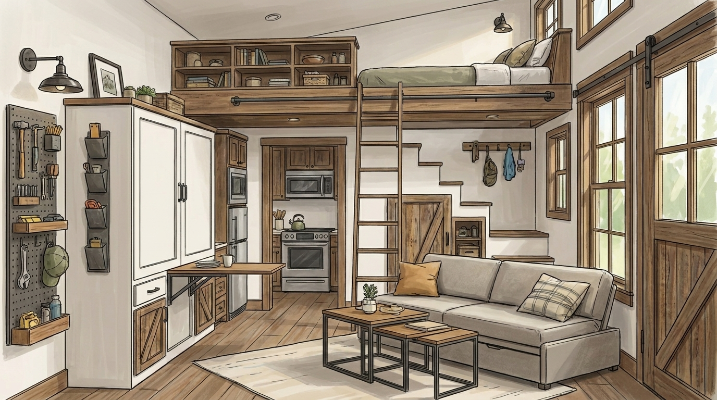
Exterior design is equally important. Materials such as metal siding combined with wood accents create a contemporary yet welcoming facade. Color palettes can range from bold contrasts to soft earthy tones that enhance the home’s integration with its natural surroundings. By embracing these thoughtful design ideas, homeowners can craft mini barndominiums that reflect their personal taste while remaining highly functional.
Popular Small Barndominium Floor Plans
Small barndominiums offer a wonderful fusion of rustic aesthetic and modern convenience, featuring a range of flexible floor plans tailored to various lifestyles. There’s a unique layout for everyone, whether you're a single professional, a couple, or a small family.
For those seeking simplicity, studio layouts are particularly advantageous for singles. These designs merge living, sleeping, and kitchen spaces into one cohesive unit, maximizing both functionality and comfort. With clever furniture arrangements and efficient storage, studios strike a balance between practicality and style.
Couples or small families may find one-bedroom plans most suitable, offering private sleeping quarters alongside communal living areas. Some designs may even include a small office nook, perfect for balancing remote work and personal interests.
Families looking for versatility can opt for two-bedroom designs, which provide additional space for children, guests, or hobbies. These layouts typically feature a master bedroom with an ensuite bathroom, enhancing privacy and comfort.
For those drawn to creative living solutions, loft floor plans are intriguing, incorporating upper-level spaces that can be transformed into artist studios, office areas, or additional sleeping quarters, enriching the home's usability.
Lastly, if hosting guests frequently is a priority, guest house layouts are worth considering. These spaces generally include kitchenette and bathroom facilities, allowing visitors privacy while remaining connected to the main home. These adaptable designs position small barndominiums as more than just living spaces—they can become personal sanctuaries.
Understanding Mini Barndominium Cost
When considering the construction of a mini barndominium, a thorough breakdown of associated costs is essential for establishing a sound financial plan. Construction expenses can fluctuate between $100 and $250 per square foot, heavily influenced by the choice of materials and labor. Common materials typically include metal siding, efficient insulation, and framing lumber, while labor costs may range from 30% to 50% of the overall budget, depending on regional market rates.
The price of land also plays a crucial role in total expenditures. In rural areas, smaller plots might be priced between $5,000 and $20,000, whereas in more urban or suburban regions, land costs can escalate to over $50,000, reflecting demand and local amenities.
For those in rural settings, utility installation costs—covering essentials such as water, electricity, and sewage systems—can vary from $5,000 to $15,000, depending on accessibility and proximity to existing connections. Anticipating these considerable expenses is critical when planning a mini barndominium.
Interior finishing costs can vary widely; basic drywall and paint may cost around $2 to $6 per square foot, while upscale choices like custom cabinets or granite countertops can range up to $50 per square foot.
Lastly, deciding between hiring professionals and undertaking DIY projects can significantly influence your budgeting dynamics. While professional contractors can optimize complex tasks, straightforward jobs like painting may be well-suited to DIY efforts, providing opportunities for cost savings without sacrificing quality. Overall, thorough research into these many factors is crucial for understanding the financial implications of building a mini barndominium.
Mini Barndominium Budget Guide
Strategically planning your budget for a mini barndominium is foundational to your project’s success. Start by delineating primary cost categories: construction expenses (including materials and labor), land acquisition and preparation, utilities installation, and interior finishing costs (such as flooring, painting, and fixtures).
When estimating these costs, it is paramount to remain vigilant about potential hidden expenses—items like excavation work, soil testing, and utility connection fees can accumulate quickly, so a financial cushion is advisable.
Permit costs should also be factored into your plans. Depending on your locality, these can fluctuate significantly, with some permits requiring substantial time and logistical resources to secure, thereby influencing your timeline and overall budget.
Encouraging contingency budgeting can help mitigate the impact of unanticipated expenses. A good rule of thumb is to allocate an additional 10% to 20% of your total budget for unforeseen costs. By planning your finances carefully and anticipating overruns, you can embark on your mini barndominium journey with greater assurance of financial stability.
Pros and Cons of Mini Barndominiums
The rising popularity of mini barndominiums as affordable, efficient housing options comes with both benefits and drawbacks. Understanding these trade-offs is indispensable for potential buyers contemplating this contemporary living solution.
Pros:
One of the most notable advantages is their lower construction costs compared to conventional homes. Using steel framework and metal siding can significantly cut building expenses, which is appealing for budget-oriented homebuyers. Additionally, maintenance is usually simplified, thanks to durable materials designed to withstand environmental factors, requiring less frequent repairs than traditional homes. Energy efficiency is another advantage, often provided by superior insulation, contributing to lower utility expenses. Lastly, these dwellings can be constructed quickly, enabling homeowners to settle in sooner.
Cons:
However, prospective buyers should also consider certain limitations. Limited space stands out as a primary concern; smaller square footage may pose challenges for families needing room for children or belongings. Financing difficulties may arise, as some lenders are less familiar with mini barndominium specifics, complicating loan approval. Moreover, zoning restrictions can limit construction locations, sometimes impeding the purchasing process. Finally, the inherent storage challenges posed by smaller spaces can necessitate creative organization strategies to prevent clutter.
Ultimately, while mini barndominiums present enticing benefits such as cost savings and low maintenance demands, buyers need to carefully weigh practical limitations regarding space and financing against personal requirements and local regulations. Assessing these pros and cons will ensure a well-informed decision that aligns with individual lifestyles.
Who Should Consider a Mini Barndominium?
Mini barndominiums provide a flexible living solution ideal for a range of individuals and lifestyles. They are particularly well-suited to empty nesters eager to downsize, offering a cozy yet spacious atmosphere. Remote workers can take advantage of their open designs, which cater to home office environments while promoting a balanced work-life integration. Additionally, couples desiring a charming space with minimal upkeep find them effective. Vacation-home seekers appreciate the rustic charm and affordability of these properties without the hassle of large estates. Minimalists benefit from the simplicity and functionality inherent in mini barndominiums, seamlessly fitting into their lifestyle philosophy.
Nonetheless, not everyone may find this option suitable. Families with children needing more space, as well as individuals seeking urban conveniences and amenities, might prefer more traditional housing solutions. Those who value the benefits of city living may find alternative housing options more aligned with their preferences.
Embrace Mini Barndominiums for Your Future
Mini barndominiums embody an innovative housing solution that combines style with practicality in a small footprint. Their affordability, versatility, and appealing design make them a formidable option in today’s real estate landscape. To explore this potential further, consider evaluating various designs, budgets, and customizable floor plans to suit your unique lifestyle. By diving into the rich offerings of mini barndominiums, you may discover a living experience that promotes simplicity, sustainability, and creativity, leading you toward the perfect home.