
Crohn’s Disease is a chronic inflammatory condition that affects the gastrointestinal tract and has become increasingly relevant in modern health conversations. As its prevalence rises, so does awareness and dialogue surrounding digestive health. Recognizing the symptoms of Crohn’s Disease—such as abdominal pain, diarrhea, and fatigue—is crucial for early diagnosis and effective management. Understanding this condition not only helps individuals on their health journeys but also fosters a more informed and supportive community. By addressing the intricacies of Crohn’s, we can significantly improve the quality of life for those affected.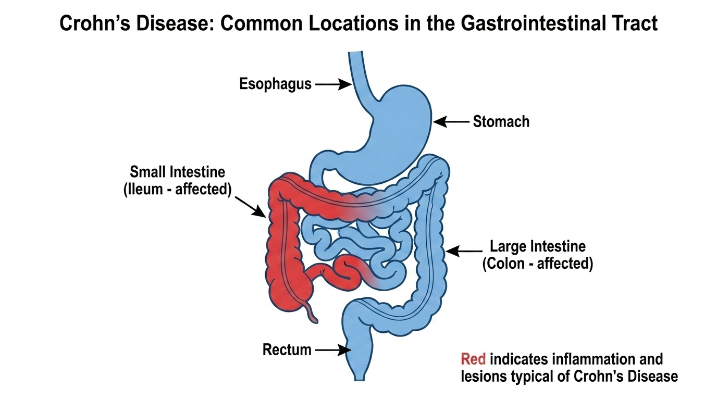
Understanding Crohn’s Disease
Crohn’s Disease is one of the primary types of inflammatory bowel diseases (IBD), along with ulcerative colitis. This chronic inflammation can affect any part of the gastrointestinal (GI) tract, though it primarily targets the small intestine and the beginning of the large intestine. The inflammation often penetrates deep into the layers of bowel tissue, leading to a range of symptoms that vary significantly from person to person.
Patients with Crohn’s often experience abdominal pain, severe diarrhea, fatigue, and weight loss, all of which can dramatically impair their overall health and quality of life. Beyond these symptoms, complications such as strictures, fistulas, and malnutrition can arise, highlighting the need for diligent health monitoring among those diagnosed. Living with Crohn’s requires not only medical care but also lifestyle adjustments to effectively manage symptoms. Furthermore, understanding and empathy from family, friends, and the broader community can provide essential support, creating a more compassionate environment for individuals dealing with this condition.
Identifying Symptoms of Crohn’s Disease
Crohn’s Disease manifests through a variety of symptoms that can deeply impact many aspects of a person’s life. A thorough understanding of these symptoms is essential for early detection and proper management.
Gastrointestinal Symptoms
- Abdominal Pain
Among the most distressing symptoms, abdominal pain often presents as cramping or sharp discomfort. Patients frequently report severe pain due to inflammation in the digestive tract. For example, Emily, diagnosed at age 20, recalls the debilitating pain she experienced after meals, which forced her to avoid certain foods and social gatherings. - Diarrhea (Potentially Bloody)
Diarrhea is another common symptom, ranging from mild to urgent, frequent, and sometimes accompanied by blood. This symptom can be physically exhausting and emotionally distressing. John, a long-time patient, shares stories of embarrassing public moments triggered by sudden urges, which instilled anxiety about leaving his home. - Weight Loss
The combination of chronic diarrhea and persistent abdominal discomfort can lead to significant, unintended weight loss, limiting access to vital nutrients. For many patients, weight loss represents a daily struggle to maintain nutritional adequacy and energy. Lily, another Crohn’s sufferer, emphasizes the frustration of watching her favorite clothes become loose—a constant reminder of her body’s ongoing battle. - Fatigue
Fatigue from Crohn’s goes beyond mere tiredness; it often results in a profound lack of energy, turning everyday tasks into monumental challenges. For Mike, managing symptoms means facing days where getting out of bed feels like running a marathon.
Systemic Symptoms
- Fever
A persistent low-grade fever may accompany Crohn’s flare-ups, signaling the body’s inflammatory response and compounding feelings of malaise. - Joint Pain and Swelling
Beyond gastrointestinal issues, Crohn’s Disease can cause systemic symptoms like joint pain and swelling, reducing mobility and overall quality of life. Sarah notes difficulties with swollen knees and hands, making simple activities like using her computer or climbing stairs significantly harder than before. - Skin Issues (e.g., Rashes)
Individuals with Crohn’s may experience skin complications, including rashes, often resulting from medication side effects or nutrient deficiencies. These issues can lead to self-consciousness, further worsening the emotional toll of living with the disease.
Recognizing the symptoms of Crohn’s Disease is the first step toward effective management. Individuals experiencing these symptoms should be aware of their profound effects on daily life, emotional well-being, and self-image. Fostering understanding and support within communities helps those navigating the complexities of this illness.

Early Signs of Crohn’s Disease
Identifying the early signs of Crohn’s Disease can be crucial in managing this complex inflammatory bowel condition. Often overlooked, these subtle indicators can have serious health implications. Persistent fatigue is frequently one of the first recognizable symptoms; those affected may feel uncharacteristically tired, even after adequate rest. This fatigue can be linked to inflammation and the body’s response to the disease, often creating a cycle of weariness that hinders daily activities.
A reduced appetite often accompanies early Crohn’s symptoms. Patients may feel disinclined to eat, leading to unintended weight loss and nutritional deficiencies. This reluctance to eat can stem from various factors, including abdominal discomfort, bloating, or the avoidance of foods that might provoke further symptoms.
Additionally, changes in bowel habits can signal the onset of Crohn’s Disease. Many patients experience sudden or gradual shifts, including diarrhea, constipation, or alternating bowel patterns, along with discomfort or urgency. Recognizing these patterns is vital for distinguishing Crohn’s Disease from other gastrointestinal disorders.
Early detection is paramount for effective management of Crohn’s Disease. By identifying subtle signs like persistent fatigue, reduced appetite, and changes in bowel habits, patients can seek timely medical advice. Consulting healthcare professionals when these early indicators appear can lead to better health outcomes, enabling proactive steps toward reliable treatments and support. In doing so, individuals can regain control over their health and improve their quality of life.
Exploring Crohn’s Disease Treatment Options
Crohn’s Disease treatment encompasses a range of medical and surgical interventions, tailored to alleviate symptoms and enhance quality of life. These options can be categorized into medical treatments, surgical options, and complementary strategies.
Medical Treatments
Medical management for Crohn’s Disease focuses on reducing inflammation while aiming to maintain remission. Corticosteroids are often used during flare-ups to quickly quell inflammation, though they have potential side effects that require careful monitoring under qualified medical supervision. Immunomodulators, including azathioprine and mercaptopurine, work by suppressing the immune system’s response, thereby decreasing further inflammation. Additionally, biologics target specific pathways involved in the inflammatory process, providing tailored relief for patients unresponsive to traditional therapies. These medications are particularly valuable for moderate to severe cases and can significantly improve the quality of life for those with Crohn’s Disease.
Surgical Options
When medical interventions are insufficient or complications arise, surgical options may be necessary. Surgical procedures can include resection, where affected intestinal sections are removed, or interventions to alleviate narrowed portions of the bowel. While surgery is not a definitive cure for Crohn’s Disease, it can provide considerable relief from severe symptoms and restore overall gastrointestinal health. Ongoing monitoring after surgery is essential, as the disease may recur in different parts of the digestive tract.
Complementary Strategies
In addition to conventional methods, many individuals explore complementary strategies for symptom management. Probiotics may enhance gut health by restoring beneficial bacteria, offering supplementary support. However, it is critical for patients to discuss any complementary approaches with their healthcare provider before incorporating them into their treatment regimen. Such discussions ensure comprehensive consideration of the patient’s health and management of potential interactions with prescribed therapies.
Engaging with Crohn’s Disease treatment options requires a holistic approach, integrating medical treatments, surgical strategies, and complementary options to optimize patient care. Close collaboration with healthcare teams enables tailored treatment plans that meet each patient’s unique needs.
Nutritional Strategies: The Crohn’s Disease Diet Plan
Effectively managing Crohn’s Disease often relies heavily on dietary strategies, making the Crohn’s Disease Diet Plan an essential consideration. A low-residue diet is frequently beneficial, as it minimizes the movement of undigested food through the intestines, thereby alleviating symptoms like diarrhea and abdominal pain and promoting a better quality of life. Foods such as white bread, rice, and well-cooked vegetables are typically easier to digest and serve as ideal options for this dietary plan.
Additionally, maintaining proper hydration is crucial; individuals with Crohn’s may experience significant fluid loss due to diarrhea. Therefore, it is important to consume ample water throughout the day. Moreover, limiting caffeine and alcohol intake is advisable, as both can irritate the gut and cause dehydration.
Incorporating dietary changes into daily life can be more manageable than expected. Starting with planned meals helps ensure that dietary needs are met, reducing the likelihood of spontaneous choices that may not suit health requirements. Keeping a food diary allows for tracking symptoms in relation to diet, aiding in the identification of specific trigger foods. It is always wise to consult a healthcare provider or registered dietitian before making substantial dietary changes, as individual nutritional needs can vary widely. Through careful navigation of these dietary strategies, individuals can gain greater control over their health in the face of Crohn’s Disease challenges.
Empowering Awareness in Crohn’s Disease Management
Recognizing symptoms and understanding treatment options for Crohn’s Disease are vital for effective health management. It is essential for individuals to take proactive steps regarding their health, as early intervention can greatly enhance quality of life. Emphasizing awareness about the disease equips patients to pursue appropriate treatments and develop a manageable diet plan specific to their needs. With adequate resources and support, living with Crohn’s Disease can transform from a daunting struggle into a journey filled with hope. Such awareness is an invaluable asset in successfully navigating this intricate and complex disease.