
Lyme disease—a tick-borne illness caused by the bacterium Borrelia burgdorferi—is becoming increasingly prevalent across various regions, particularly in the northeastern United States. This rise in cases underscores the critical need for in-depth research into Lyme disease symptoms, which is essential for early diagnosis and timely treatment interventions. Understanding the nuances of these symptoms not only facilitates prompt care but also helps patients navigate the complexities of this often-misunderstood illness.
Understanding Lyme Disease Symptoms Research
The importance of researching Lyme disease symptoms lies in its potential to improve patient outcomes by enhancing the recognition of symptoms that can vary significantly between individuals. By exploring current findings, treatment strategies, and clinical trials, this article aims to provide patients, caregivers, and healthcare enthusiasts with accurate, verifiable information on this evolving health issue. A comprehensive understanding of Lyme disease symptoms can empower individuals to seek early care—a critical factor in improving quality of life and overall prognosis.
Early vs. Chronic Lyme Symptoms
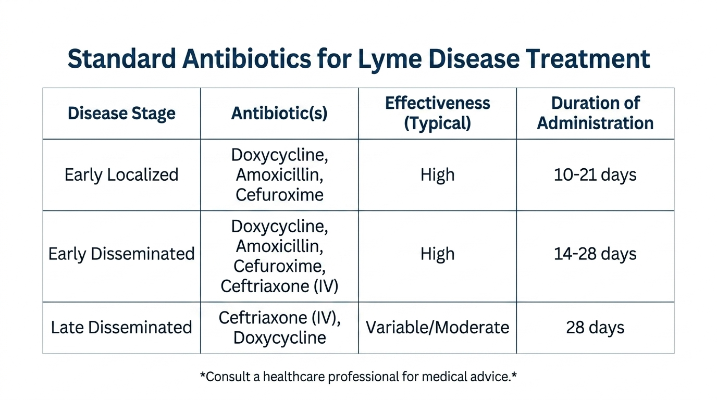
Lyme disease typically begins with early warning signs that differ notably from chronic manifestations. Initial symptoms often include a distinctive rash known as erythema migrans—a circular, red lesion resembling a bull's-eye. Alongside this rash, patients may experience flu-like symptoms such as fever, chills, headache, and fatigue. Studies indicate that these early indicators can appear within three to thirty days after a tick bite, making prompt recognition vital for effective treatment.
As the disease progresses into its chronic stage—often termed Post-Treatment Lyme Disease Syndrome (PTLDS)—symptoms shift markedly. Patients may report persistent fatigue, joint pain, and cognitive difficulties, reflecting a more complex battle beyond the initial infection. According to research from the Journal of Infectious Diseases, approximately 10–20% of patients experience prolonged symptoms even after appropriate antibiotic therapy, highlighting the potential for Lyme disease's impact to extend well beyond its initial diagnosis.
Symptom Variability and Patient Reports
The variability in symptoms reported by Lyme disease patients further complicates clinical understanding. Some individuals experience severe neurological impairment, while others face only limited physical discomfort. Factors influencing this variability include individual immune responses—some patients' immune systems may react more vigorously than others', affecting symptom severity. Co-infections, such as those caused by multiple pathogens carried by ticks, also play a substantial role in modifying symptom profiles.
Patient-led studies featured on platforms like the Lyme Disease Association provide anecdotal evidence of these discrepancies, revealing the unpredictability of symptoms over time. For instance, many sufferers describe fluctuating fatigue levels that change from day to day, emphasizing the need for personalized treatment plans that account for patient history and varied symptomatology. This patient-centric approach is crucial for advancing research and developing supportive strategies for those battling Lyme disease.
Current Approaches in Lyme Disease Antibiotic Treatment
Standard Treatment Protocols
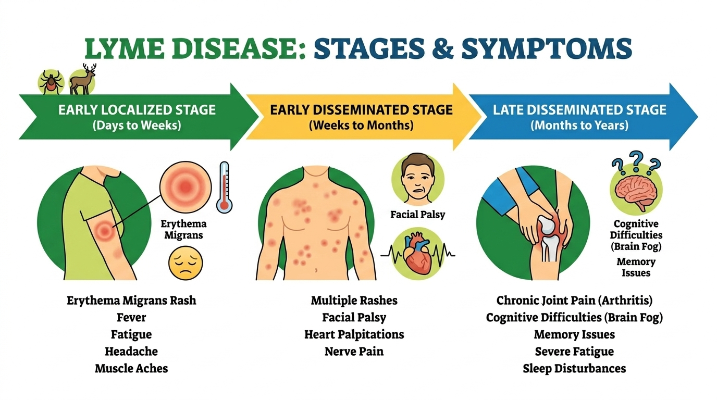
The standard treatment for Lyme disease, as recommended by health organizations such as the Centers for Disease Control and Prevention (CDC) and the Infectious Diseases Society of America (IDSA), primarily involves antibiotics. First-line treatments typically include doxycycline, amoxicillin, or cefuroxime axetil, which are effective for early localized and early disseminated Lyme disease. The duration of treatment generally spans 10 to 21 days, depending on symptom severity and disease stage. Doxycycline is particularly preferred due to its efficacy against Borrelia burgdorferi—the primary causative agent—and its ability to address potential co-infections like anaplasmosis. For patients with neurological symptoms or severe manifestations, intravenous antibiotics may be indicated, with treatment extending up to 28 days.
Challenges with Chronic Cases
Despite established treatment protocols, challenges persist in managing patients with chronic Lyme disease, commonly referred to as PTLDS. This condition is characterized by persistent symptoms that extend beyond the standard treatment period. The medical community lacks consensus on the effectiveness of prolonged antibiotic therapy for chronic cases, with studies yielding mixed results. Some practitioners advocate for extended antibiotic courses, citing anecdotal success, while others caution against the potential risks and lack of scientific backing for such approaches. This ongoing debate underscores the need for further research to identify the best treatment strategies for these difficult cases. Contemporary medical perspectives emphasize the importance of customizing treatment plans based on individual symptoms and patient responses, illustrating the complexity of effectively managing Lyme disease.
Ongoing Lyme Disease Clinical Trials
Emerging Therapies and Research Updates
As Lyme disease remains a major health challenge, ongoing clinical trials are essential for identifying new treatment options. Numerous promising therapies are currently being tested across various phases of clinical trials. Among these innovations, the use of monoclonal antibodies targeting Lyme spirochetes appears promising—not only for alleviating symptoms but also for preventing the disease's chronic phase. Research published in journals like The New England Journal of Medicine suggests that these groundbreaking treatments may yield significant improvements, with early results showing marked reductions in both symptom duration and severity.
Additionally, the exploration of herbal antifungal therapies is gaining traction in Lyme disease treatment trials. A recent study in The Journal of Clinical Investigation investigated the effectiveness of combination therapies that integrate conventional antibiotics with herbal extracts. Preliminary findings hint that such combinations might enhance treatment effectiveness, warranting further exploration in larger patient populations.
Importance of Patient Participation in Trials
Patient involvement in clinical trials is vital for advancing Lyme disease research and treatment options. By enrolling in trials, patients contribute to collective scientific understanding while gaining access to pioneering therapies that may not yet be widely available. This is particularly crucial for individuals struggling with lingering symptoms after standard treatments.
Moreover, patient participation helps researchers develop a better understanding of how Lyme disease affects diverse individuals, paving the way for tailored therapies that address varied patient needs. Several patient advocacy groups actively promote the importance of participating in these studies. Engaging in clinical trials not only supports the quest for effective treatments but also empowers patients by giving them a voice in research outcomes that could shape future care strategies.
Supporting Patients Beyond Standard Treatment
In addition to medical interventions, addressing the broader impact of Lyme disease on patients’ daily lives is increasingly recognized as a critical component of care. Many individuals living with chronic symptoms face challenges such as sleep disturbances, mental fatigue, and decreased physical activity, which can affect overall quality of life. Integrating supportive care strategies—including counseling, physical therapy, and symptom management programs—can help patients maintain functionality while their bodies respond to treatment. Moreover, patient education initiatives that teach self-monitoring techniques, dietary adjustments, and safe exercise routines are showing promise in reducing symptom severity and improving long-term outcomes. This holistic approach not only complements traditional antibiotic therapy but also empowers patients to actively participate in their recovery journey, bridging the gap between clinical treatment and everyday well-being.
Advancing Research and Awareness
In summary, the symptoms of Lyme disease vary widely, presenting significant challenges for early diagnosis and effective treatment. Our findings emphasize the importance of increasing awareness and understanding of these symptoms, which can ultimately lead to better patient outcomes. Moreover, ongoing research on Lyme disease symptoms demonstrates that advancements in treatment protocols and clinical understanding are essential for combating this growing public health concern. Continued research is vital—it enhances treatment options and raises awareness, ultimately fortifying efforts against Lyme disease.