
Alzheimer’s disease is a progressive neurodegenerative disorder that profoundly impacts cognitive function, severely affecting daily life and independence. This condition is characterized by memory deficits, impaired reasoning, and notable behavioral changes, presenting significant challenges not only for those diagnosed but also for their families and loved ones. Recognizing Alzheimer’s disease early signs and understanding its progression is essential because early detection can facilitate timely management and improve the quality of care, ultimately enhancing the experience for patients and their caregivers.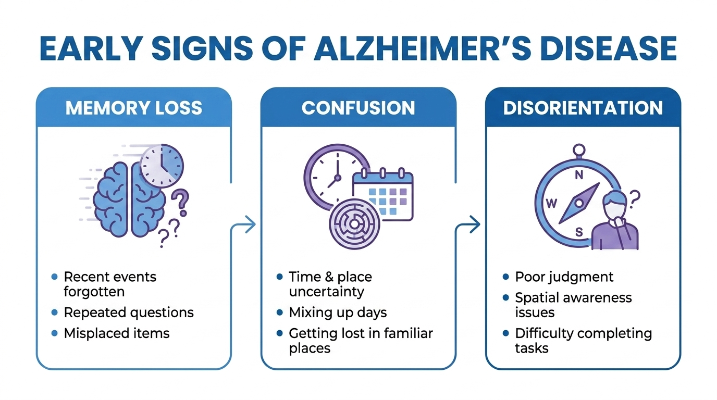
Cognitive decline often begins with early memory loss, which many individuals and their families misinterpret as a normal part of aging. However, differentiating between typical age-related forgetfulness and potential symptoms of Alzheimer’s disease is crucial. Early signs of memory issues may include frequent difficulties recalling recent events, misplacing everyday items, or struggling to find the right words during conversations. By understanding and identifying these early signs, individuals and their relatives can seek medical intervention sooner, leading to proactive measures that can significantly improve outcomes. Raising awareness about Alzheimer’s disease fosters a culture of vigilance and responsiveness, underscoring the importance of recognizing cognitive decline in its early stages.
What Are the Early Signs of Alzheimer’s Disease?
Alzheimer’s disease often manifests through subtle changes that are easily overlooked. Recognizing these early signs is vital for effective intervention. One of the most common indicators is forgetfulness related to recent events, such as repeatedly asking the same question or forgetting conversations that just took place. For example, if a loved one repeatedly asks what they had for breakfast just moments after eating, this may exceed the realm of normal forgetfulness.
Disorientation is another alarming sign, wherein individuals may get lost in familiar places. For instance, someone who has lived in the same neighborhood for decades might suddenly become confused about returning home after a routine trip to the store—this shift from past behavior can be very concerning.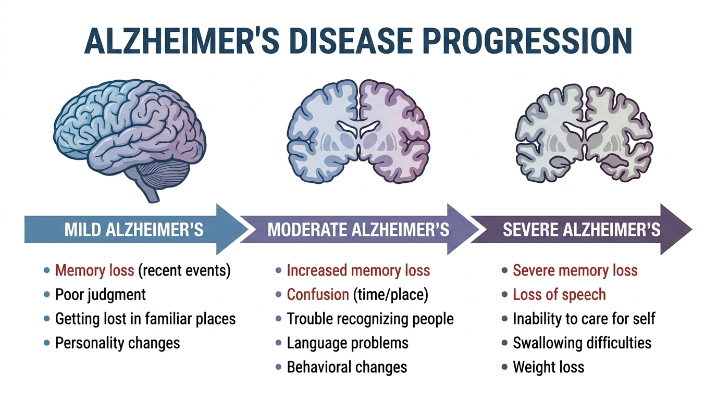
Moreover, language difficulties frequently appear as one of the first symptoms. A person may struggle to articulate their thoughts and instead refer to familiar objects using vague terms. For example, they might intend to say "refrigerator" but instead refer to it as "the cold storage unit." Such communication hurdles can significantly affect social interactions.
While occasional forgetfulness is normal with aging—such as misplacing keys or momentarily forgetting a name—the persistent frequency and increasing severity of these symptoms mark a critical distinction. Understanding these indicators is essential for early detection, as timely diagnosis can lead to better management strategies, enabling individuals and families to proactively plan for the journey ahead. Teaching oneself to recognize the differences between normal aging and the signs of Alzheimer’s disease can be pivotal in maintaining quality of life and fostering supportive environments for those affected.
Ultimately, increased awareness is the first step toward compassionately addressing the challenges that Alzheimer’s disease presents for individuals and their families.
Early Symptoms of Alzheimer’s Disease and How They Appear
Alzheimer’s disease often first reveals its presence through early symptoms that might be dismissed. A primary sign is a noticeable decline in memory, especially concerning short-term recall. For instance, individuals may struggle to remember recent conversations or appointments, leading them to repeatedly ask the same questions. Misplacing familiar items—like keys or glasses—and having difficulty retracing their steps can also contribute to frustration for both the individual and their loved ones.
Additionally, cognitive changes become increasingly evident as planning and organizational abilities deteriorate. Tasks that were once straightforward, like preparing a meal or managing finances, may become overwhelming. For example, a previously confident parent who managed household logistics might suddenly struggle to create grocery lists or coordinate events, straining family relationships as relatives may need to intervene more frequently.
Personality and behavioral changes are equally common early symptoms. Someone who was previously outgoing may retreat from social situations or display a lack of interest in activities they once cherished. This alteration in demeanor can raise concerns among family and friends, potentially leading to increased tension and emotional distance in once-close relationships.
Awareness of these early indicators is crucial; recognizing them can prompt timely medical consultation and support for both the individual and their loved ones, fostering an understanding of the challenges that lie ahead while maintaining important connections despite the disease’s progression.
How Alzheimer’s Disease Progresses Over Time
Alzheimer’s disease typically unfolds in three main stages—mild, moderate, and severe—each characterized by distinct changes in cognitive abilities and daily functionality. Understanding these stages helps patients and their families anticipate obstacles while emphasizing the importance of early intervention.
In the mild stage, individuals may begin to experience subtle memory lapses, such as forgetting recent engagements or misplacing items. They may encounter difficulties with complex tasks like managing finances, which can lead to frustration. Often, families are the first to notice these changes, as the affected person may withdraw from social interactions to disguise their symptoms. This stage can last several years, during which emotional support and encouragement of mental activities can promote cognitive health.
The moderate stage involves more significant memory loss. Patients may forget personal histories, important dates, or even the names of loved ones, leading to confusion and anxiety. Daily activities become increasingly challenging, frequently requiring assistance. For example, preparing a meal could become a strenuous task, leading to increased reliance on caregivers. This phase can be particularly emotional for families, as they watch their loved ones struggle with tasks they once managed independently, necessitating changes in family roles and an increase in caregiving duties.
During the severe stage, individuals may lose the ability to communicate effectively and become entirely dependent on caregivers for daily necessities, such as bathing, dressing, and eating. Patients may exhibit notable behavioral changes, such as restlessness or wandering. Families may encounter deep emotional turmoil, grappling with the loss of their loved one’s previous personality.
Appreciating these stages from an educational standpoint fosters empathy and encourages planning for supportive environments, which is vital for enhancing the quality of life for both patients and caregivers.
Understanding Treatment and Care Options
Caring for someone with Alzheimer’s disease presents unique challenges, making an understanding of available treatment and care options essential for improving the quality of life for both patients and their caregivers. While there may currently be no cure for individuals living with dementia, effective strategies exist to manage symptoms and preserve dignity.
Medication plays a crucial role in treating Alzheimer’s disease, assisting in the management of cognitive symptoms and, at times, mood disorders. Healthcare professionals—including neurologists, geriatricians, and psychiatric nurses—collaborate to ensure proper medical monitoring and tailored care plans that cater to each patient's unique needs.
Supportive care is equally important. Daily living assistance—such as help with bathing, dressing, or meal preparation—can alleviate burdens for both patients and caregivers. Engaging activities, including art therapy, music sessions, or gentle exercise, also encourage emotional well-being. Moreover, family involvement in care routines and the planning of enjoyable activities fosters a positive atmosphere.
It is crucial for caregivers to prioritize their own well-being and consider engaging with caregiver support networks. Organizations like the Alzheimer's Association provide valuable resources, education, and local support groups for sharing experiences and advice. Options for respite care, such as adult day programs and in-home help, allow caregivers necessary breaks to prevent burnout and maintain their capacity for care.
Creating a supportive community—both for patients and caregivers—can make an impactful difference in navigating the complexities of Alzheimer’s disease. Adopting these treatment and support realities is a pivotal step toward achieving a more manageable journey through this intricate condition.
A Path Forward
Recognizing the early signs of Alzheimer’s disease and its progression is vital for effective management and enhancing quality of life. Early detection facilitates timely interventions, which can help slow the disease’s advancement. Caregivers may adopt practical measures, such as maintaining open lines of communication, creating structured routines, and fostering a supportive environment for those affected. As families face the challenges posed by Alzheimer’s, understanding the disease empowers them to take proactive steps. Through awareness and compassion, we can better support those living with Alzheimer’s and work toward a hopeful future for both patients and caregivers.