
Not every cardiologist is the right fit for every patient. Some specialize in preventive heart care, while others focus on complex procedures such as cardiac surgery, heart rhythm disorders, or advanced heart failure treatment. If you're looking for the Best Cardiologists Near Me, it helps to understand what qualifications, experience, and hospital partnerships truly matter. This guide covers how to identify leading specialists, evaluate Best Heart Hospitals, and use trusted Heart Health Resources to make an informed decision about your care.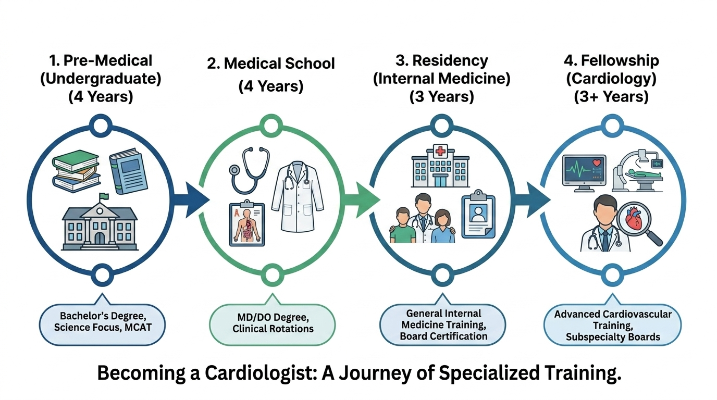
How to Find the Best Cardiologists Near Me
Searching for the best cardiologist involves several critical factors that can greatly influence your healthcare experience. Begin by verifying their education and training. A cardiologist typically completes medical school, followed by a residency in internal medicine and a fellowship in cardiology. This rigorous training is fundamental for effectively diagnosing and treating heart conditions.
Next, check for board certification, as this credential confirms that the cardiologist has passed extensive exams and is committed to maintaining expertise in their field. A certified cardiologist is more likely to possess up-to-date knowledge and skills, which can significantly enhance your confidence in their care.
Understanding the various subspecialties within cardiology—such as interventional cardiology, electrophysiology, and heart failure—is also vital. Selecting a cardiologist who aligns with your specific needs is essential; for example, if you require a procedure like angioplasty, seeking an interventional cardiologist is key.
Moreover, patient reviews and personal referrals provide invaluable insights. Hearing about other patients’ experiences can shed light on a doctor’s approach and effectiveness, while recommendations from friends, family, or your primary care physician can help narrow your options and guide you toward a trustworthy specialist.
Ultimately, these considerations not only help you make an informed choice but also contribute to a more comfortable and confident healthcare experience. Remember, selecting the right cardiologist is a pivotal step toward better heart health, so take your time to research and choose wisely.
What Makes the Best Heart Doctors Stand Out
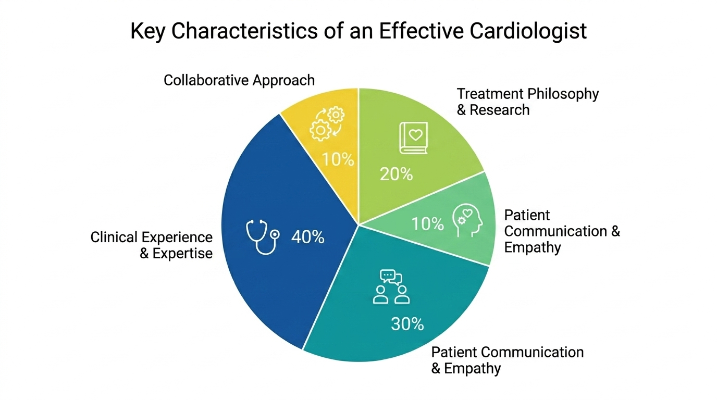
Several key characteristics distinguish the most effective cardiologists from the rest. Experience is a primary factor; seasoned cardiologists often possess extensive hands-on knowledge that significantly impacts patient outcomes. Research shows that professionals with at least ten years of experience tend to have better success rates, particularly in complex procedures such as angioplasty and heart surgery.
Equally important are communication skills. A top cardiologist should be able to explain complex medical concepts in plain language, fostering an environment conducive to open dialogue. Studies indicate that patients who engage positively with their doctors are more likely to adhere to treatment plans, leading to improved health outcomes.
Additionally, a cardiologist’s treatment philosophy plays a vital role in patient care. The best heart doctors often embrace a patient-centered approach that prioritizes individualized care and fosters long-term health relationships. They continuously reassess and adapt treatment protocols to meet each patient’s unique needs, enhancing the chances of recovery.
Finally, access to advanced procedures and technologies is crucial. Leading cardiologists typically practice in hospitals equipped with modern diagnostic tools and treatment options, such as cardiac CT scans and minimally invasive surgeries. According to the American College of Cardiology, technological innovations can shorten recovery time and improve overall patient satisfaction.
In summary, experience, communication skills, treatment philosophy, and technological access are all vital qualities to consider when evaluating a cardiologist. These attributes not only enhance patient care but can also lead to better health outcomes, instilling confidence in patients as they pursue their heart health journey.
Why Best Heart Hospitals Matter for Complex Cardiac Care
Specialized cardiac centers play an essential role in improving patient outcomes for challenging cardiac cases. Unlike general hospitals, these facilities are equipped with state-of-the-art technology, specialized medical personnel, and extensive experience to manage serious conditions—such as heart failure, complex arrhythmias, and post-operative care—more effectively. Evidence suggests that patients treated at high-volume centers experience lower mortality rates and better overall outcomes, underscoring the importance of selecting the right hospital.
Multidisciplinary teams, including cardiologists, cardiac surgeons, interventional specialists, and allied health professionals, form the foundation of these heart hospitals. This collaborative approach ensures that each patient’s unique medical needs receive thorough evaluation and treatment through coordinated care. For example, a patient with severe coronary artery disease might receive coordinated care from a cardiologist for medication, a surgeon for potential bypass surgery, and a nutritionist for dietary advice—all within the same framework. This synergy streamlines treatment processes and fosters efficient communication, which is critical for effective recovery.
Recent advancements in treatment technologies further enhance the capabilities of leading heart hospitals. Innovations such as minimally invasive surgical techniques, advanced imaging modalities, and API-driven remote monitoring technologies provide real-time patient data analysis, improving decision-making during critical situations. The integration of telemedicine into cardiac care allows patients to receive continuous monitoring and follow-up consultations from home, alleviating the burden of repeated hospital visits and ensuring uninterrupted care.
In summary, heart hospitals specializing in cardiology, armed with multidisciplinary teams and cutting-edge technologies, significantly enhance recovery prospects and deliver effective care, making them indispensable resources in the fight against complex heart conditions.
The Growing Role of Remote Patient Monitoring Heart Programs
Remote patient monitoring (RPM) heart programs are transforming how we manage heart health, particularly for individuals with chronic conditions. By leveraging technology—including wearable devices and mobile applications—these programs empower patients to monitor their heart metrics in real time from the comfort of home. Individuals can track critical indicators such as heart rate, blood pressure, and activity levels, providing healthcare professionals with essential data to customize their care approaches.
One of the most significant advantages of RPM heart programs is the convenience they offer. Patients no longer face the hassle of frequent clinic visits for routine check-ups, which can be burdensome, especially for those with mobility issues or those living in remote locations. With RPM, follow-up care can be conducted through virtual consultations, drastically reducing the time and resources spent on travel. This ease of access encourages patients to stay actively engaged in their health management.
Additionally, these programs facilitate timely interventions. If a patient’s monitored data signals a potential issue, healthcare providers can swiftly adjust medications, offer guidance, or schedule in-person visits when necessary. This proactive approach not only elevates care quality but also minimizes complications, leading to improved health outcomes.
In essence, RPM heart programs empower individuals by simplifying the management of their heart health. By embracing technology, patients take charge of their care journey, paving the way for a healthier future and enhancing their overall quality of life. These advancements represent a positive shift in managing heart conditions, ensuring that help is always readily available.
Essential Heart Health Resources for Patients and Families
Navigating heart health can be an overwhelming endeavor for patients and their families. Fortunately, a multitude of educational resources and support organizations are available to provide valuable guidance.
Educational Resources: The American Heart Association (AHA) offers comprehensive information on heart health, covering vital topics such as symptoms, prevention, and treatment options. Their website (heart.org) includes articles, videos, and infographics designed specifically for patients and families. Additionally, the National Heart, Lung, and Blood Institute (NHLBI) provides updates on recent research and preventive education.
Lifestyle Tips: Adopting a heart-healthy lifestyle is crucial. The AHA recommends maintaining a balanced diet rich in fruits, vegetables, whole grains, and lean proteins. Regular exercise—at least 150 minutes of moderate physical activity weekly—is also fundamental. Stress reduction techniques, such as yoga or meditation, can also have beneficial effects on heart health.
Support Organizations: For emotional and practical support, organizations like the Patient Heart Foundation and local heart support groups can offer assistance in managing heart conditions and provide resources for coping skills.
Reliable Sources of Medical Information: Trustworthy medical information can be sourced from platforms such as the Mayo Clinic, Cleveland Clinic, and the Centers for Disease Control and Prevention (CDC) websites.
By accessing these resources, you empower yourself and your loved ones to navigate the journey toward optimal heart health effectively.
Taking Charge of Your Heart Health Journey
Selecting the right cardiologist and heart hospital is essential for achieving optimal heart health and successful treatments. By considering critical factors like credentials, experience, and hospital facilities, you can significantly influence your care outcomes. It is imperative to stay proactive about your cardiovascular health by understanding your options and remaining informed about advancements in heart care. Take the initiative: prioritize regular check-ups, adopt heart-healthy lifestyle choices, and educate yourself about the latest technologies in heart monitoring. Your journey toward a healthier heart begins with making informed decisions and committing to proactive care for yourself and your loved ones.