
Dental health is a fundamental component of overall wellness, profoundly impacting our quality of life. Despite its significance, many individuals remain unaware of the critical role that proper dental hygiene plays in their health. This lack of awareness can lead to severe complications, as neglecting oral care often paves the way for issues such as cavities, gum disease, and even systemic health concerns. Raising awareness about dental health is essential, as understanding the connection between oral hygiene and overall well-being is crucial for fostering healthier communities and encouraging individuals to prioritize their dental care.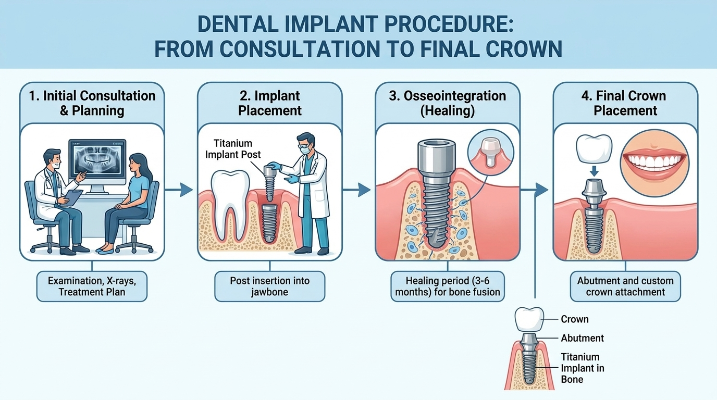
Why Dental Health Awareness Is Often Overlooked
Dental health awareness is frequently overshadowed by common misconceptions that downplay its importance. Many people believe that dental hygiene only matters when visible problems arise, leading to a tendency to postpone oral care until issues become severe, such as cavities or gum disease. This perspective is not only shortsighted but also poses significant risks. Research indicates that neglecting dental hygiene can elevate the risk of various serious health conditions, including heart disease, diabetes, and respiratory infections.
The correlation between oral health and systemic diseases is well-documented. For example, bacteria from untreated periodontal disease can enter the bloodstream, triggering inflammation and contributing to cardiovascular issues. Moreover, individuals with diabetes are particularly vulnerable to periodontal disease, creating a vicious cycle where each condition exacerbates the other. Cultural perceptions also play a substantial role, as some communities lack sufficient emphasis on dental care due to poorly distributed education about its significance. Many may view dental appointments as non-essential rather than vital to maintaining good health, leading to underutilization of dental services, especially among low-income individuals.
Addressing these misconceptions through focused educational programs and outreach is imperative. By shifting societal perceptions about dental care and promoting its integral role in holistic health, we can convince patients to take their oral hygiene seriously. Ultimately, a proactive stance toward dental health not only results in brighter smiles but also significantly enhances overall health outcomes.
Understanding the Real Cost of Dental Implants
Dental implants have emerged as a cornerstone of modern dentistry, providing a reliable solution for missing teeth. Typically constructed from titanium and surgically placed into the jawbone, these implants mimic the functionality of natural tooth roots while supporting replacement crowns. In addition to improving aesthetics, dental implants maintain jawbone integrity and prevent adjacent teeth from shifting, further supporting oral health and overall well-being.
Potential patients often encounter varying prices for dental implants based on geographic location. For example, a single dental implant can cost between $3,000 and $4,500 in regions like California; conversely, states such as Arizona and Texas may see prices ranging from $2,500 to $3,500. These discrepancies reflect not only regional economic factors but also differences in the cost of living and local dental market conditions.
Several factors contribute to the fluctuations in dental implant pricing. Geographic location significantly influences costs, with urban centers typically experiencing higher fees due to increased operational expenses. Furthermore, the quality and type of materials used for the implants and crowns can vary considerably in price. The qualifications and experience of the dental professional performing the procedure also play a critical role; specialists with board certification tend to command higher fees due to their advanced training. Additionally, any pre-operative requirements, such as bone grafting or sinus lifts, can increase total expenses, underscoring the importance of patients seeking detailed consultations that transparently outline expected costs.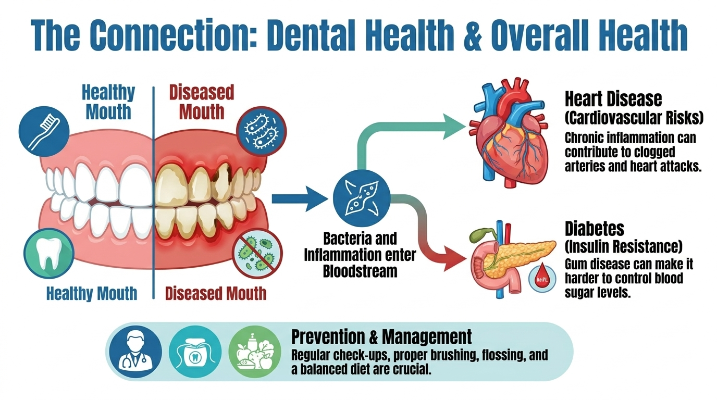
Affordable Solutions and Financing for Seniors
For senior citizens, navigating dental care can often be overwhelming, particularly as they face fixed incomes and rising healthcare expenses. Finding accessible dental solutions is vital, as procedures like dental implants can represent a considerable financial strain despite their benefits. The prospect of losing teeth can severely impact seniors’ quality of life, not only altering their appearance but also affecting their overall health.
Fortunately, various options exist to alleviate financial burdens for seniors seeking dental care. Many dental practices now offer flexible payment plans, allowing seniors to manage expenses through manageable installments rather than a single upfront payment. These arrangements may include interest-free financing for a specified period, making dental care more accessible within their budget.
Additionally, tailored financing options specifically for dental implants cater to seniors looking to mitigate costs. Organizations like CareCredit and LendingClub offer loans structured for healthcare purposes, often with terms that benefit older adults. Such loans typically feature lower monthly payments and extended repayment periods, facilitating access to essential dental care without imposing undue financial stress. Recent statistics indicate that around 66% of seniors who utilized these financing solutions found them effective and hassle-free, significantly improving their satisfaction with dental health.
Joan, an 82-year-old retiree from Ohio, articulates the positive effects of these financial options: "I hesitated to pursue implants because of the costs, but the financing plan made it feasible. I can eat confidently again without worry!" This sentiment resonates among many seniors and underscores the value of exploring available financing avenues to ensure essential dental care without jeopardizing financial security.
Understanding and accessing these affordable solutions can inspire a proactive approach to dental health, ultimately improving seniors' well-being.
How to Find Qualified Dental Professionals
Selecting the right dental professional for implants is a critical decision that can significantly influence your oral health outcomes. When choosing a provider, it is essential to consider the specialist's qualifications and expertise. Look for a dentist well-trained in dental implants, particularly one with a proven record of successful procedures. Seek out specialists who prioritize continuing education, ensuring they remain informed about cutting-edge techniques and advancements in implant dentistry.
When evaluating potential dental implant specialists, several factors should guide your choice. First, verifying their credentials is essential: a qualified dentist should possess a degree in dentistry alongside specialized training in implantology. Furthermore, the professional's experience is vital; inquire about the number of implant surgeries performed and their respective success rates. This knowledge can direct you toward practitioners demonstrating both proficiency and reliability.
Patient testimonials provide invaluable insights into a dentist's practice. Reviews or case studies from past patients can reflect their experiences, care quality, and overall satisfaction level. Utilize online platforms, social media, and personal referrals to gain a comprehensive view of local specialists.
For those searching for the "best dental implant specialists near me," local resources can offer valuable guidance. Websites such as healthgrades.com or zocdoc.com allow you to filter providers by location and specialty. Do not underestimate personal recommendations—asking friends, family, or your general dentist for referrals can yield significant insights. This proactive approach empowers individuals to make informed choices while fostering comfort and confidence in their treatment journey.
Recovery Process and What to Expect
Undergoing dental implant surgery marks a pivotal step in restoring both your smile and oral health. The procedure occurs in stages, each designed to enhance patient comfort and achieve optimal results. Initially, your dental professional will conduct a comprehensive examination, which may involve imaging tests to evaluate the health of your jawbone. Following this assessment, a minimally invasive procedure is performed, wherein a titanium post is implanted within the jawbone; this process typically lasts between 60 and 90 minutes.
Post-surgery, it is essential to understand the recovery timeline. Expect some swelling and discomfort in the initial days, manageable with prescribed pain relief. Generally, the healing period is categorized into three phases: 1) Week 1-2: Swelling and discomfort peak; soft foods are recommended. 2) Week 3-6: Gradual healing occurs, with follow-up appointments focused on monitoring progress. You may slowly reintroduce normal eating habits. 3) Week 7+: The bone integration with the implant generally progresses well, prompting discussions regarding the placement of the final crown.
To ensure a smooth recovery, consider the following essential tips:
- Pain Management: Adhere to prescribed medications and apply ice packs to minimize swelling.
- Diet Considerations: Start with soft foods, avoiding hard or crunchy items that may disrupt healing.
- Oral Hygiene: Maintain cleanliness in your mouth, being gentle around the surgical site. Rinsing with salt water can reduce inflammation and support healing.
- Avoid Tobacco and Alcohol: These substances can hinder recovery, making avoidance important during the healing phase.
By remaining informed and proactive about your post-operative care, you can anticipate a successful recovery and a revitalized smile.
Insurance and Financial Assistance Options
Understanding dental insurance coverage for implants and seeking financial assistance options is essential for effectively managing costs. Typically, dental insurance policies cover various services; however, coverage for dental implants can vary significantly. Insurance plans may cover preliminary procedures—including X-rays, extractions, or bone grafts—required before an implant is placed, but the actual implant and crown are often classified as elective treatments. Consequently, patients may incur out-of-pocket expenses ranging from $3,000 to $4,500 or higher for each implant.
When exploring options for dental implant insurance coverage, it is vital for patients to investigate various policies. Some insurers provide specific plans that cover a portion of implant costs, while others might include an allowance for dental implants within comprehensive packages. Partial reimbursement scenarios may also occur if a policy has a predetermined annual maximum limit for dental care coverage. Careful review of these limitations is necessary for full understanding.
For individuals facing difficulty affording implants, valuable resources for financial assistance are available. Government programs like Medicaid can offer support in specific instances, particularly for lower-income patients or families. Non-profit organizations such as the Dental Lifeline Network provide resources to help offset costs. Furthermore, community health centers often deliver dental care on a sliding scale based on income, enhancing accessibility. Overall, staying informed about insurance options and available support services can enable better navigation of the financial aspects of dental health, fostering enhanced outcomes for both oral health and overall wellness.
Embracing the Path to Better Dental Health
This article has explored the many facets of dental health, emphasizing its importance and the financial avenues available for those seeking care. By debunking common misconceptions and outlining actionable steps, we have illustrated the necessity of awareness and informed choices in maintaining oral health. Prioritizing dental care transcends mere aesthetics; it is a vital aspect of living a healthier life. Embrace the journey to better dental health today—your future self will appreciate your commitment.