
For many seniors living on a fixed income, a damaged or aging roof is more than just a home repair issue—it can directly affect safety, comfort, and long-term financial stability. In 2026, programs such as Free Roof Replacement for Seniors are helping eligible homeowners reduce the burden of costly roof repairs through targeted financial assistance and government-backed support. These initiatives fall under broader Roof Replacement Grants and Free Roof Replacement Grants for Seniors, designed to make essential home maintenance more accessible. This guide explains who qualifies, how these programs work, and what steps seniors need to take to apply successfully.
Understanding Roof Grants
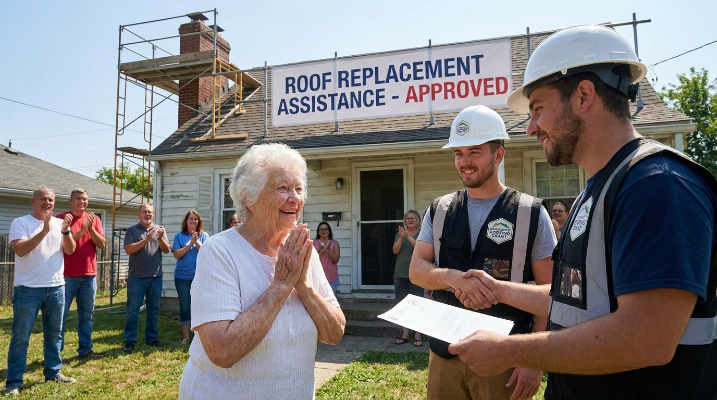
Roof grants are financial assistance programs explicitly designed to help low-income homeowners address one of their most essential housing needs—maintaining their roofs. These grants play an instrumental role in ensuring that seniors and other vulnerable homeowners are not left with deteriorating roofs that could compromise their safety or lead to even more significant property damage.
The financial support provided through roof grants is pivotal in enhancing housing quality, contributing significantly to both comfort and safety for these vulnerable groups. Many seniors rely on fixed incomes and face escalating living costs, placing them at heightened risk of financial distress due to urgent home maintenance needs. Access to these grants allows them to direct their limited resources toward other vital necessities, fostering overall financial stability.
Furthermore, the benefits extend beyond the individual level, touching on larger themes of community welfare and mutual support. By investing in the homes of those in need, these programs not only help preserve the physical structure of residences but also encourage a culture of neighborly assistance and solidarity, aiming to uplift those otherwise isolated by economic hardships. In this light, roof grants transcend mere home repairs; they symbolize a communal commitment to ensuring that everyone has a safe, reliable haven to call home.
Eligibility Criteria for Roof Grants in 2026
Understanding the eligibility criteria for roof grants is essential for seniors seeking the assistance they need. Below, we break down the various components that determine qualification for roof grants in 2026.
Age Requirements
To qualify for roof grants in 2026, applicants typically need to be aged 62 or older. This age criterion is specifically designed to assist older adults facing economic hardships. Many grant schemes recognize the unique challenges seniors encounter, particularly those tied to fixed-income retirement plans, escalating healthcare expenses, and essential home maintenance needs.
For instance, recent reports indicate that approximately 25% of seniors live on incomes below the federal poverty line. Consequently, programs targeting those aged 62 and above aim to facilitate an aging process that is both safe and sustainable for this demographic, allowing them to remain in their homes with dignity and security.
Financial Criteria
Financial criteria are another vital component of roof grants, encompassing income thresholds that reflect the senior’s household size and geographic cost of living. Applicants generally need to demonstrate that their income falls at or below a certain percentage of the poverty level, a figure that varies by state. For example, the projected federal poverty line for a single-person household in 2026 will be approximately $14,580 annually. Many states set qualifying income levels at around 125% to 150% of this base figure.
In California, a two-person senior household may need to maintain an income below $54,000, whereas in Texas, the threshold could be closer to $43,000. Meeting these income criteria is critical, significantly enhancing the likelihood of grant approval and making essential repairs more accessible for seniors in need.
Property Requirements
Eligibility for roof grants also hinges on the type of property. Generally, only owner-occupied, single-family residences are eligible, meaning seniors must reside in the home requiring repairs. This category typically includes houses, townhouses, and manufactured homes. For example, a senior living in a multi-family rental unit would not qualify for assistance.
All properties seeking assistance must meet specific health and safety standards, ensuring that available funding addresses homes in critical need of repairs. This process prioritizes assistance for residences that pose immediate hazards—such as leaking roofs or unsafe structural issues—that could threaten a senior’s safety and well-being.
Gaining clarity on these age-related, financial, and property criteria empowers seniors to increase their odds of securing roof grants, ultimately enhancing their living conditions and overall quality of life.
The Application Process for Roof Grants
The application process for roof grants may initially seem intimidating, but by breaking it down into manageable steps, seniors can navigate it more easily.
Step-by-Step Guide
Begin by researching available roof grant programs in your area. Local government websites and non-profit organizations often feature valuable information regarding eligibility criteria and application requirements. Once suitable programs are identified, gather all necessary documentation, including proof of income, age verification, and property ownership.
After collecting complete documentation, carefully fill out the application forms, ensuring that all details are accurate. If possible, leverage online platforms for application submissions, as they often provide guidance and minimize the likelihood of errors.
After submission, it is critical to keep track of your application status, as some grant programs may require follow-up communications. Maintaining a record of any correspondence will help streamline this process.
Necessary Documentation
Several essential documents are required for seniors applying for roof grants, including:
- Proof of Income: This may include recent pay stubs, tax returns, or Social Security statements.
- Age Verification: Providing a copy of your driver's license or birth certificate verifies your age.
- Property Ownership Documents: Title deeds or property tax statements confirming ownership will be required.
- Additional Information: Depending on the program, documentation regarding past housing repairs may also be requested.
Important Deadlines
Seniors should be aware of critical deadlines for grant applications to ensure success. Many programs operate on a fiscal year cycle, establishing specific timelines for application submissions around late spring or early summer. Monitoring these dates closely will prevent seniors from missing vital funding opportunities.
Additionally, consider reaching out to local community centers or helplines that specialize in assisting seniors with grant applications, providing access to crucial guidance and essential resources.
Funding Sources for Roof Replacement Grants
For seniors requiring financial help with roof replacements, numerous funding sources are available, ranging from local to federal and non-profit levels. One noteworthy federal resource is the U.S. Department of Agriculture (USDA) Rural Development’s Single Family Housing Repair Loans and Grants, which aid low-income seniors in rural settings by covering necessary home repairs, including roof replacements.
At the local level, numerous state and community-based programs exist, such as the Low-Income Home Energy Assistance Program (LIHEAP), which may provide limited support for roof repairs as an extension of energy efficiency improvements. Non-profit organizations like Habitat for Humanity also lend a helping hand, facilitating community volunteer initiatives that assist local seniors with roof replacements and repairs.
Moreover, regional programs, including weatherization assistance initiatives, offer financial resources specifically tailored for seniors in need of roof replacements. These programs prioritize accessibility and emphasize a user-friendly experience to ensure seniors can navigate them with ease. With this diverse spectrum of funding sources, seniors can discover solutions tailored to their specific needs, facilitating more manageable roof repairs that secure safer living conditions.
Tips for Seniors Applying for Roof Grants
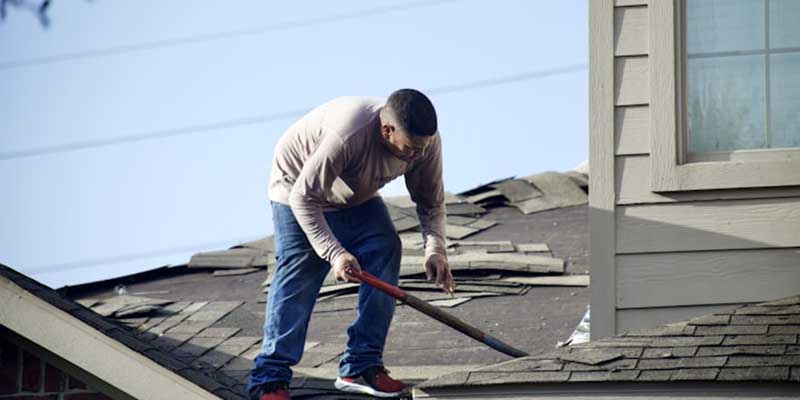
Seniors can navigate the roof grant application process successfully by employing practical strategies aimed at efficiency and organization. Here are some valuable tips to keep in mind:
- Create a Checklist: Prepare a comprehensive checklist of necessary documents ahead of time to avoid potential delays. Commonly required documents include:
- Proof of income (recent pay stubs or tax returns)
- Identification documentation (driver's license or passport)
- Proof of homeownership (property deed or mortgage document)
- Recent photographs highlighting the condition of your roof
- Any estimates or bills pertaining to previous repairs
- Seek Assistance: Don’t hesitate to reach out for help if needed. Local senior centers and community organizations often provide valuable resources and insights, as well as guidance for navigating the application.
- Take Your Time: Rushing may lead to errors in the application process. Devote sufficient time to reviewing your documents thoroughly and seek feedback from trusted family members or friends to ensure accuracy.
Utilizing these practical tips will significantly enhance your ability to secure a grant and sustain the safety of your home. Remember, assistance is available, so proactively seek it!
FAQs About Roof Grants for Seniors
What is the average grant amount available for roof repairs?
Typically, the average grant amount for roof repairs ranges from $5,000 to $15,000. However, exact amounts may differ based on specific funding programs, applicant needs, and variations in regional grant offerings. Seniors are encouraged to consult local housing authorities or non-profits for accurate figures in their areas.
Can grants be combined with other funding sources?
Yes, roof repair grants may often be combined with various other funding options, such as loans or state assistance programs, to help cover comprehensive repair costs. It’s crucial to review the terms of each funding source to ensure adherence to all regulations.
What should one do if they are denied a grant?
If a grant application is denied, seniors should first request clarification to understand the reasons for the denial. They may reapply after addressing these issues or seek alternative funding opportunities. Consulting local non-profit organizations that specialize in assisting individuals with grant applications can be exceedingly beneficial.
For further information or unresolved questions, seniors are encouraged to connect with local community services or reputable organizations, such as Habitat for Humanity or the U.S. Department of Housing and Urban Development (HUD).
Improving Your Living Environment
In summary, the availability of roof grants tailored to low-income seniors serves as a crucial resource, offering substantial financial relief and support for necessary roof replacements. The outlined eligibility criteria and application processes empower seniors to take proactive steps toward acquiring the assistance they need. By exploring options for Free Roof Replacement for Seniors, individuals can significantly enhance their living conditions and ensure their homes remain safe and comfortable sanctuaries. Take charge today—your home deserves protection, and you deserve comfort and security. Act now to create a brighter future!